


Siding & Exterior Guide
The Complete Siding
Maintenance Checklist
for Chicagoland Homes
Illinois winters, summer storms, and freeze-thaw cycles are harder on exterior siding than almost anywhere in the country. Use this expert-written siding inspection checklist to catch problems early — before minor wear turns into water intrusion, rot, or full panel replacement.
Schedule a Free Siding Inspection
Our licensed exterior specialists serve all of Chicagoland — DuPage, Cook, Lake, Will, Kane & McHenry counties.
Expert Resource — Siding & Exterior
Why Your Siding Needs a Scheduled Maintenance Plan
Your home's siding is its first and most visible line of defense against the elements. In Chicagoland, siding takes a beating year-round — sub-zero wind chills crack caulk joints, spring hailstorms pit vinyl and dent aluminum, and summer UV rays bleach and warp wood. Without a consistent siding maintenance checklist, small issues accumulate silently until a moisture-damaged wall cavity or rotted substrate forces a far more expensive repair project.
Homeowners in Illinois should inspect their exterior siding at least twice per year — once in spring after freeze-thaw season, and once in fall before winter. Key checkpoints include caulk integrity at joints and trim, panel gaps or warping, paint/finish adhesion, soffit and fascia condition, and any signs of moisture intrusion or biological growth such as mold or mildew. Scheduling a professional inspection every 2–3 years catches structural concerns that visual walk-arounds miss.
This page walks through every critical item — organized by season — that Alta Property Services reviews when performing exterior inspections across DuPage, Cook, Will, Lake, Kane, and McHenry counties. Whether your home has vinyl, fiber cement, wood, or aluminum siding, the fundamentals of protecting it are the same: inspect often, seal proactively, and call a licensed siding contractor before minor damage becomes major structural compromise.
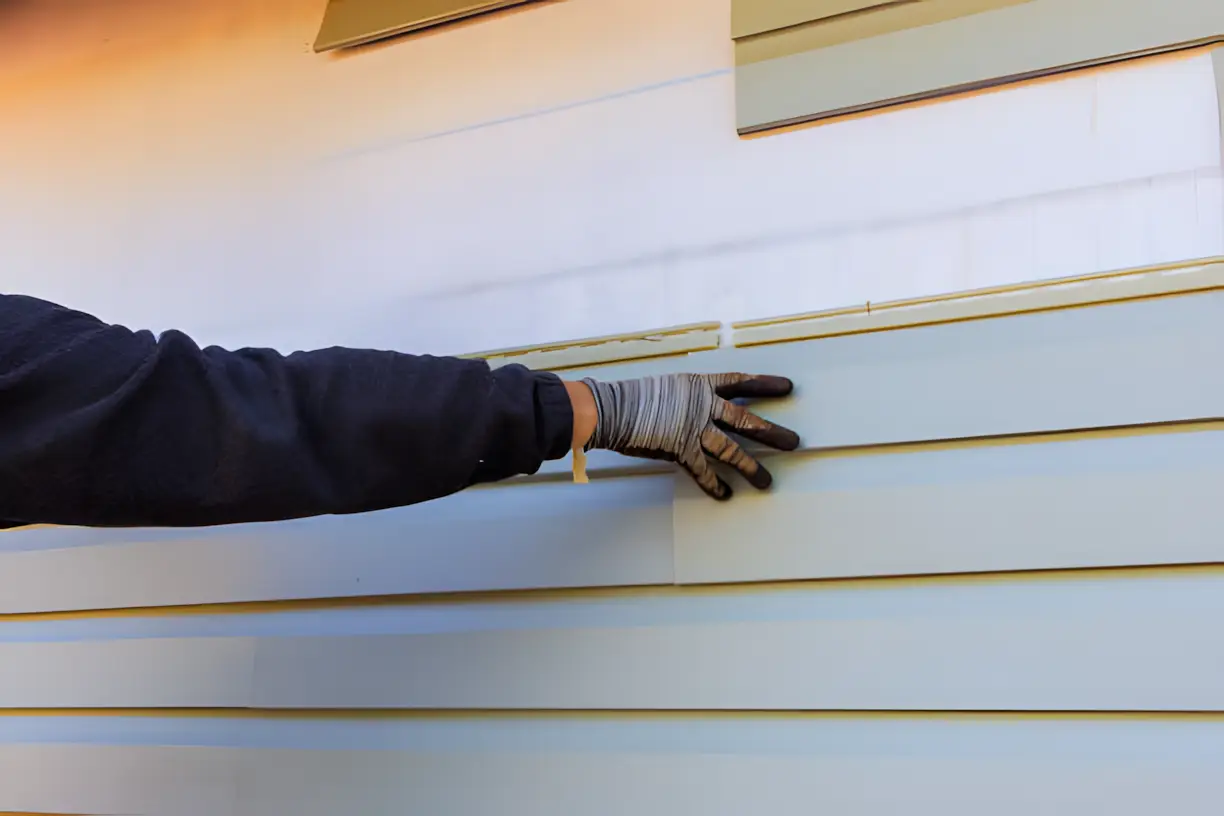
By Season
Your Complete Siding Inspection Checklist
Work through these items each season. Flag anything that needs further attention — even items that look "borderline" should be documented so you can track progression over time.
🌱 Spring Inspection
- Walk the full perimeter looking for cracked, bowed, or missing panels from winter freeze-thaw cycles
- Check all caulk joints at windows, doors, corners, and trim for cracking or separation
- Inspect for any mold, mildew, or algae growth — especially on north-facing walls
- Probe wood trim, windowsills, and door casings for soft spots indicating moisture intrusion
- Look for staining or paint bubbling, which often signals water trapped behind the panel
- Rinse siding with a garden hose and observe water drainage direction — pooling near the foundation is a red flag
☀️ Summer Inspection
- Inspect vinyl siding for warping, buckling, or melting from heat reflection off windows or grills
- Check paint adhesion and fading on wood or fiber cement siding — UV damage accelerates in Illinois summers
- After each major storm, inspect for hail impacts: dents in aluminum, chalking on vinyl, chipping on fiber cement
- Ensure gutter downspouts are directed away from siding and not splashing back onto panels
- Trim shrubs and tree branches touching siding — contact accelerates paint wear and moisture retention
- Inspect soffit vents for blockage — proper attic ventilation reduces moisture pressure on exterior walls
🍂 Fall Inspection
- Re-caulk any joints that showed spring wear — caulk must be fully cured before first freeze
- Touch up paint or sealer on wood siding before moisture-laden fall weather accelerates deterioration
- Inspect every panel joint for gaps wider than 1/8" — gaps allow cold air and water infiltration in winter
- Check soffit and fascia condition — damaged fascia allows water to wick behind siding runs
- Clear gutters and ensure they're properly secured — ice dams from overflowing gutters can drive moisture beneath siding
- Document any items needing repair with photos — useful for insurance claims if winter storm damage occurs
❄️ Winter Monitoring
- After major snowstorms, visually check for ice build-up against siding near the roofline — a sign of ice dam formation
- Do not chip or scrape ice directly from siding — use calcium chloride ice melt products near the structure instead
- Check interior walls adjacent to exterior siding for cold spots or condensation — may indicate compromised insulation or gaps
- Visually inspect from inside windows after storm events — interior moisture is often the first sign of siding failure
- Keep emergency contact information handy — storm-driven siding damage qualifies for 24/7 emergency service at Alta
Know When to Act
Warning Signs That Demand Immediate Attention
Not all siding problems wait for your next scheduled inspection. These conditions require prompt professional evaluation to prevent cascading structural damage.
Visible Rot or Soft Spots
If you can press your thumb into a wood board or trim piece — or if fiber cement feels crumbly — active moisture damage is already underway behind the panel. This rarely resolves on its own.
Act Within 48 HoursInterior Water Stains Near Exterior Walls
Brown staining on interior drywall adjacent to an exterior wall is a reliable indicator that siding, flashing, or caulk has failed and water is entering the wall cavity.
Schedule ImmediatelyLarge Gaps at Corner Posts or J-Channels
Gaps wider than 1/4" at termination points allow wind-driven rain direct access behind the siding. This is among the most common failure points on Chicagoland homes after severe weather.
Repair Before Next RainMissing or Cracked Weather-Damaged Panels
After hail or high-wind events, cracked vinyl or chipped fiber cement panels are often insurance-eligible repairs. Document with photos immediately and contact your insurer before attempting any cleanup.
Insurance May Cover ThisExtensive Mold or Mildew Colonization
Surface mildew can be cleaned, but mold spreading at panel edges or seams suggests sustained moisture is feeding it from behind. Professional moisture assessment is required to address the source, not just the symptom.
Health & Structural RiskPanels Significantly Out of Alignment
Siding that has shifted noticeably from its original horizontal run indicates either improper original installation, substrate failure, or structural movement. This should not be dismissed as cosmetic.
Structural Evaluation NeededMaterial-Specific Care
Maintenance Notes by Siding Type
Each siding material has distinct maintenance requirements. Understanding your siding type helps you prioritize the right checklist items.
The most common siding type in Chicagoland. Low maintenance overall, but vulnerable to heat warping, impact from hail, and UV fading after 15–20 years.
- Clean annually with soft brush + diluted cleaner
- Never pressure wash above 1,500 PSI from close range
- Check for melting or warping near grills or reflective windows
- Inspect lock channels for separation or cracking
Premium durability and fire resistance, but requires periodic repainting and strict caulk maintenance to prevent moisture absorption at cut edges and joints.
- Repaint every 10–15 years or per manufacturer schedule
- Inspect and re-caulk all butt joints annually
- Keep cut edges sealed — raw fiber cement absorbs moisture rapidly
- Check fastener points for rust staining
Beautiful but the highest-maintenance exterior option. Wood siding in Illinois demands bi-annual attention and repainting or re-staining every 5–7 years minimum.
- Probe for rot at ends, joints, and near-ground panels each spring
- Repaint or re-stain on schedule — skip once and moisture wins
- Treat knot holes and end grain with penetrating sealer
- Maintain 6" clearance between siding and grade soil
Common on mid-century DuPage County homes. Dents from hail and impacts are permanent without panel replacement, but aluminum doesn't rot and resists moisture well when paint is intact.
- Inspect paint film for chalking, peeling, or oxidation
- Check all joints and laps for corrosion staining
- Document hail dents for potential insurance-assisted repairs
- Re-paint or re-coat when chalking begins
Combines wood aesthetics with better moisture and impact resistance than traditional wood. Still requires vigilant maintenance at seams and cut edges.
- Keep all cut edges field-treated — factory coating doesn't cover installer cuts
- Inspect bottom courses for swelling or delamination
- Maintain paint and primer system per product warranty
- Do not allow soil or mulch contact
Extremely durable but not maintenance-free. Chicagoland freeze-thaw cycles can crack mortar joints and spall face brick within years if left unsealed.
- Tuckpoint deteriorating mortar joints every 10–20 years
- Apply masonry sealer every 5 years on porous brick
- Inspect weep holes at base course — keep clear of debris
- Watch for efflorescence (white salt staining) indicating moisture migration
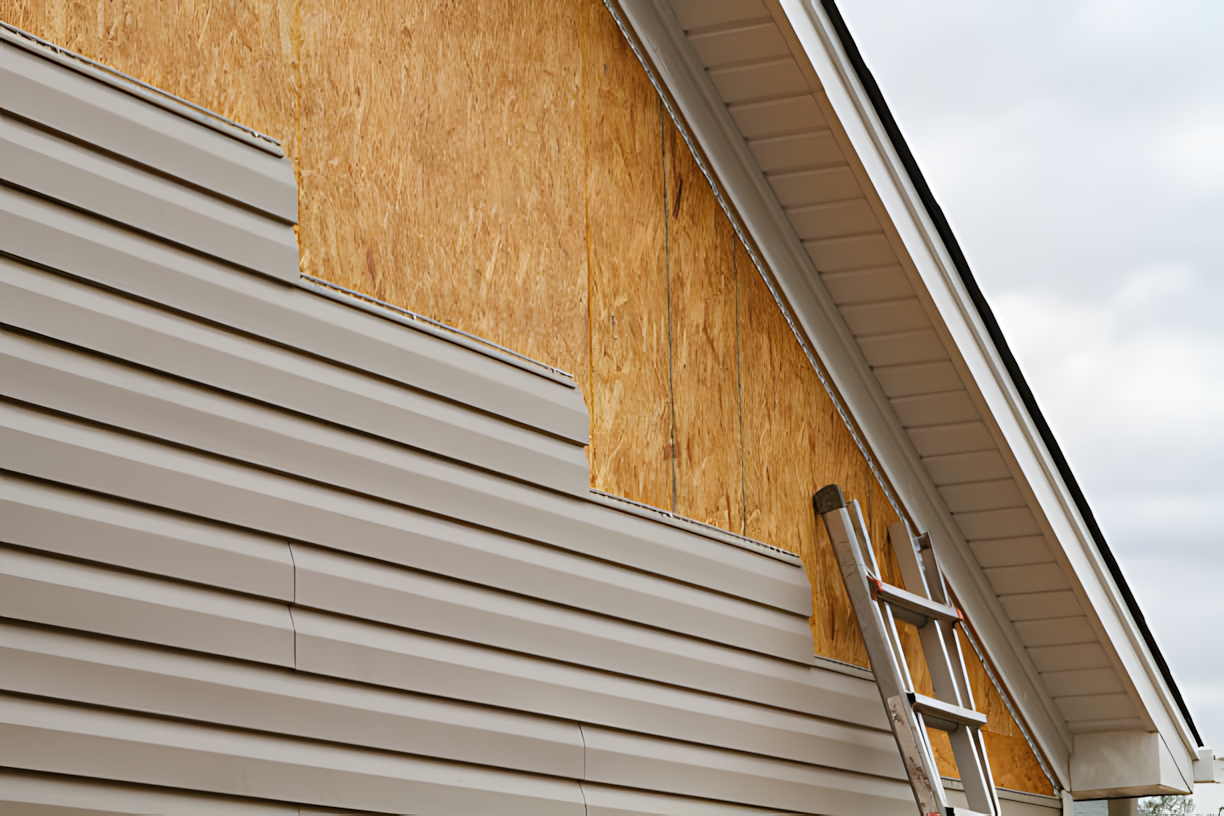
DIY vs. Professional
What You Can Handle — and What Requires a Licensed Contractor
Routine siding maintenance is genuinely homeowner-friendly. Keeping your checklist, cleaning surfaces, trimming vegetation, and monitoring for early signs of wear are all things you can manage with basic tools. The line gets crossed when structural elements, moisture damage, or insurance-eligible storm claims are involved — those require licensed assessment and documentation.
Alta Property Services provides complimentary exterior inspections throughout Chicagoland. When we identify work that's needed, we provide written estimates with Xactimate-standard documentation that your insurance company recognizes — no guesswork on claim eligibility.
Schedule a Free InspectionTask Classification
Homeowner Tasks vs. Tasks That Need a Pro
✅ Homeowner Can Handle
- Visual seasonal inspection walk-around (spring/fall)
- Light cleaning with soft brush and garden hose
- Trimming vegetation away from siding contact
- Applying exterior caulk to minor joint separations under 1/4"
- Touching up small paint chips on wood siding (under 2 sq ft)
- Clearing gutters to prevent back-splash onto siding
- Photographing and documenting damage to support insurance-assisted repairs
⚠️ Call a Licensed Contractor
- Any visible rot, moisture infiltration, or structural substrate damage
- Panel replacement — improper installation voids most siding warranties
- Hail-related or wind-related damage assessments for insurance-supported restoration
- Soffit, fascia, and flashing repair or replacement
- Re-caulking full elevations or all window/door perimeters
- Whole-home repainting of fiber cement or wood systems
- Any work requiring permits, especially on historic or HOA properties
Avoid These Pitfalls
5 Siding Maintenance Mistakes Chicagoland Homeowners Make
Using a High-Pressure Washer Directly on Panels
Pressure washing at close range or above 1,500 PSI can force water behind the siding, lift caulk, damage panel faces, and void warranties on vinyl and fiber cement products — the opposite of maintenance.
Caulking Over Active Rot or Wet Surfaces
Sealing over a soft, wet, or rotted surface with fresh caulk traps moisture inside and accelerates structural decay. It creates an illusion of repair while the actual damage continues unseen.
Ignoring Soffit and Fascia During Siding Inspections
Most homeowners focus on the vertical siding panels and miss the soffit and fascia at the roofline — which are often the first areas to trap moisture, rot, and allow pest intrusion into the attic.
Delaying Repairs After Hail or Wind Events
Many homeowners assume cosmetic hail damage "isn't worth a claim." In practice, dented, cracked, or chipped siding panels allow water infiltration that causes far more expensive damage over the following winter — and insurance claim windows are time-limited.
Mulching Too High Against the Foundation and Siding
Landscape mulch piled against the siding base holds moisture against the lowest panel courses, creates a direct path for soil-borne insects into wall cavities, and often violates manufacturer installation requirements.
Where We Work
Siding Services Across Chicagoland
Alta Property Services provides siding inspection, repair, and replacement throughout DuPage, Cook, Will, Lake, Kane, and McHenry counties. Select your area for local service information.
What Our Chicagoland Clients Say
Homeowners and property managers across DuPage, Cook, Lake, and Will counties trust Alta for exterior maintenance, siding repair, and storm damage restoration.


Serving Chicagoland & Surrounding Areas
Alta Property Services is headquartered in Addison, IL and dispatches licensed siding crews across Cook, DuPage, Will, Lake, Kane, and McHenry counties.
Common Questions
Siding Maintenance FAQ
Illinois homeowners should conduct a thorough siding inspection at least twice per year — once in spring after the freeze-thaw season ends, and once in fall before the first hard freeze. In addition, you should do a visual check after any major storm event: hail, high winds, or heavy ice accumulation can all cause damage that isn't obvious from a distance. A professional siding inspection every two to three years is also recommended to catch substrate and moisture issues that aren't visible from ground level.
Yes — hail-related damage to exterior siding is typically covered under standard homeowner's insurance policies as a storm or wind/hail claim. The key is acting promptly: most policies have time windows for reporting weather-related destruction, and documentation (photos, contractor inspection report) is essential for claim approval. Alta provides same-day or next-day post-storm damage siding assessments with Xactimate estimates that your insurer accepts directly. Do not attempt cleanup or repairs before the adjuster visit — this can reduce your settlement.
Quality vinyl siding installed correctly typically lasts 20–40 years, but the harsh Illinois climate — with its extreme temperature swings from -20°F to 95°F+ and heavy moisture loading — tends to push vinyl toward the lower end of that range without proper maintenance. Fading typically becomes noticeable after 15–20 years, and UV-induced brittleness makes older vinyl more vulnerable to impact damage. If your siding is over 20 years old and showing significant chalking or cracking, a siding replacement consultation is worth scheduling.
Signs of moisture intrusion behind siding include: interior wall staining or bubbling paint adjacent to an exterior wall, soft or spongy wood when you press on trim or boards, mold or mildew growth at panel edges or seams, musty odors in rooms on exterior walls, and visible gaps or lifted panels where water could have entered. Moisture infiltration is one of the most serious siding issues because it can damage insulation, framing, and drywall before it becomes visually obvious from outside. If you suspect intrusion, contact Alta for a moisture assessment — our team uses professional-grade moisture meters and thermal imaging to locate problem areas without destructive investigation wherever possible.
For most Chicagoland homeowners, fiber cement siding represents a strong value proposition. It resists impact damage from hail and wind-driven debris far better than vinyl, holds paint significantly longer than wood, is non-combustible, and is resistant to insect infiltration. The upfront cost is higher — typically 20–40% more than vinyl installed — but the 50-year product lifespan, lower insurance premiums in some cases, and reduced lifetime maintenance costs often make the math favorable, especially if you're planning to stay in the home long-term or are concerned about resale value.
For vinyl siding, use a soft-bristle brush with a solution of 70% water and 30% white vinegar, or a commercially available siding cleaner. Rinse thoroughly with a garden hose from top to bottom. For fiber cement or wood, avoid power washing above 1,200 PSI and keep the nozzle at least 12" from the surface — closer contact can drive water beneath the panels and damage paint film. Avoid bleach on most siding types unless specifically recommended by the manufacturer for mildew removal, and always test in an inconspicuous area first. When in doubt, Alta provides professional exterior cleaning services that use material-appropriate techniques.
Closing Summary
Your Siding Checklist Is the First Line of Defense
A consistent siding maintenance checklist is one of the highest-return investments a Chicagoland homeowner can make. Catching a failed caulk joint or a hail-pitted panel in fall costs a fraction of the water damage reconstruction bill that follows a wet Illinois winter. Alta Property Services offers free exterior inspections for homeowners throughout DuPage, Cook, Will, Lake, Kane, and McHenry counties — with licensed crews ready to address what we find on the same visit when schedules allow.
If your siding is overdue for a professional eye, or if recent storms have left you uncertain about its condition, call us at (630) 461-9229 or submit an estimate request online. We respond to all inspection requests within one business day and provide 24/7 emergency service for active storm damage.
Chicagoland's Siding Experts
Ready for a Professional Siding Inspection?
Alta Property Services
30 W Fay Ave, Addison, IL 60101
(630) 461-9229 · cs@altasvcs.com
Licensed · Bonded · Insured · 24/7 Emergency Service
Schedule Your Free Siding Inspection Online
We serve all of Chicagoland — respond within 1 business day.