


How to Know If You Need Roof Repair After Severe Weather
After severe weather, you likely need roof repair if you can see missing, cracked, or curled shingles; granules accumulating in gutters; moisture stains on attic ceilings; damaged or lifted flashing; or visible daylight through the roof deck. High-wind and hail events can also cause hidden structural impact that only a licensed inspector can detect. Alta Property Services in Addison, IL offers free post-weather roof inspections across DuPage County — available 24/7 at (630) 461-9229.
Every severe weather season in the Chicago suburbs — from spring derechos to fall hail events — leaves thousands of DuPage County homeowners staring up at their rooflines wondering the same thing: did that just damage my roof? Sometimes the answer is obvious. Often it isn't.
The most expensive roof repairs aren't the ones you can see from the ground. They're the ones that go undetected for weeks or months — a lifted piece of flashing, a hairline crack in a valley, impact-damaged granules that strip shingles of their UV protection — slowly letting water infiltrate your decking, insulation, and framing. By the time a ceiling stain appears indoors, the damage behind it is typically far more extensive than the stain itself suggests.
This guide walks you through every warning sign, organized by urgency, so you know exactly what to look for — and when to stop looking from the sidewalk and call a licensed professional. Alta Property Services has inspected thousands of roofs across Addison, Arlington Heights, Schaumburg, Des Plaines, and the broader Chicago metro area following severe weather events.
Wet, wind-stressed, or impact-dimpled shingles are dangerously slippery. A post-weather roof walk is never safe for an untrained homeowner. All visual checks in this guide are ground-level or attic-level. Leave the actual roof surface to licensed, insured contractors with proper safety equipment.
- Missing, broken, or blown-off shingles — even one section
- Water dripping or staining inside the attic or on ceilings
- Daylight visible through the roof boards from inside the attic
- Chimney caps, vent covers, or flashing visibly displaced
- Large debris (limbs, shingles) collected on the roof surface
Most insurance policies require damage to be reported promptly. Delayed reporting can jeopardize your claim.
Call 24/7 · (630) 461-9229Get a Free Post-Weather Roof Inspection
Don't guess whether your roof held up. Alta Property Services sends a licensed inspector to your Addison-area home — at no cost — to give you a documented assessment before you file a claim or hire anyone.
- Documented impact report you can submit to your insurer
- Direct insurance adjuster coordination — we handle the paperwork
- Emergency tarping same day if roof is actively leaking
- Serving Addison, Arlington Heights, Wheeling, Schaumburg & all of DuPage County
- Licensed, bonded & insured — available 24/7
Schedule Your Free Inspection
9 Warning Signs — Ranked by Urgency
Not every post-weather sign is a five-alarm emergency — but all of them require attention. Use this color-coded framework to prioritize your response.
Missing or Blown-Off Shingles
Visible bare sections of roof decking or felt paper mean your home's weatherproofing has a direct breach. Rain and wind can penetrate within hours of a weather event, potentially reaching framing, insulation, and ceilings.
Call for emergency tarping immediatelyActive Leaking or Attic Moisture Intrusion
Dripping, pooling, or fresh moisture staining inside your attic or on ceiling drywall confirms an active breach. Standing water on attic insulation accelerates mold growth within 24–48 hours in Chicago's humid climate.
Emergency service needed now — call 24/7Displaced or Lifted Flashing
Flashing seals the joints around chimneys, vents, skylights, and valleys — the most leak-prone areas of any roof. High winds can peel flashing away from its mortar or adhesive bed without visibly moving a single shingle. Check from the ground with binoculars.
Requires professional resealing before next rainImpact Dents or Bruising on Shingles
Hail bruising appears as soft, circular indentations in asphalt shingles — often without cracking the surface. The granule layer is disrupted, stripping the shingle of its UV and moisture protection. Untreated impact damage leads to accelerated aging and leaks within one to three seasons.
Schedule a professional roof impact inspection within 72 hoursGranule Loss in Gutters & Downspouts
After a high-wind or hail event, check your gutters and the ground around downspout exits. A significant accumulation of gray or black granules — the grit-textured coating on asphalt shingles — signals that shingles have lost their protective surface layer in concentrated areas.
Have a contractor identify affected sections and assess ageCracked, Split, or Curling Shingles
High-velocity winds can crack shingles along their midline or curl up their edges, breaking the weathertight seal. Cracked shingles are visible from the ground on a clear day. Even a single cracked shingle in a valley or near a penetration point can channel water directly into the decking below.
Individual repairs possible if localized — get a quoteDamaged or Bent Gutters & Downspouts
Debris and hail frequently damage gutters — bending them away from the fascia, cracking seams, or denting them enough to block water flow. Improperly draining gutters direct water against your foundation and soffits. Check all sections for sagging, separation, or visible denting after any significant weather event with over 1" of rain.
Monitor through next rain event; repair if overflowingSoft or Spongy Roof Decking (From the Attic)
Press carefully on the underside of your roof deck from inside the attic after a major rain event. A spongy, soft, or darkened section of plywood or OSB indicates that water has been absorbed — a sign of either past or ongoing intrusion. This is a "watch" only because it may not be actively leaking in that moment.
Document with photos; schedule inspection before winterSoffit, Fascia, or Vent Cap Damage
High-wind events routinely damage soffit panels and ridge vent caps without touching a single shingle. Dislodged soffit panels create openings for insects, birds, and moisture infiltration into your attic space. Walk the perimeter of your home after every significant weather event and inspect at the roofline edge.
Repair before winter to prevent animal entry and ice damsYour Safe Post-Weather Roof Inspection Walkthrough
A systematic ground-level and attic-level check — no ladder required — covers 80% of what a homeowner needs to know within the first hour after severe weather passes.
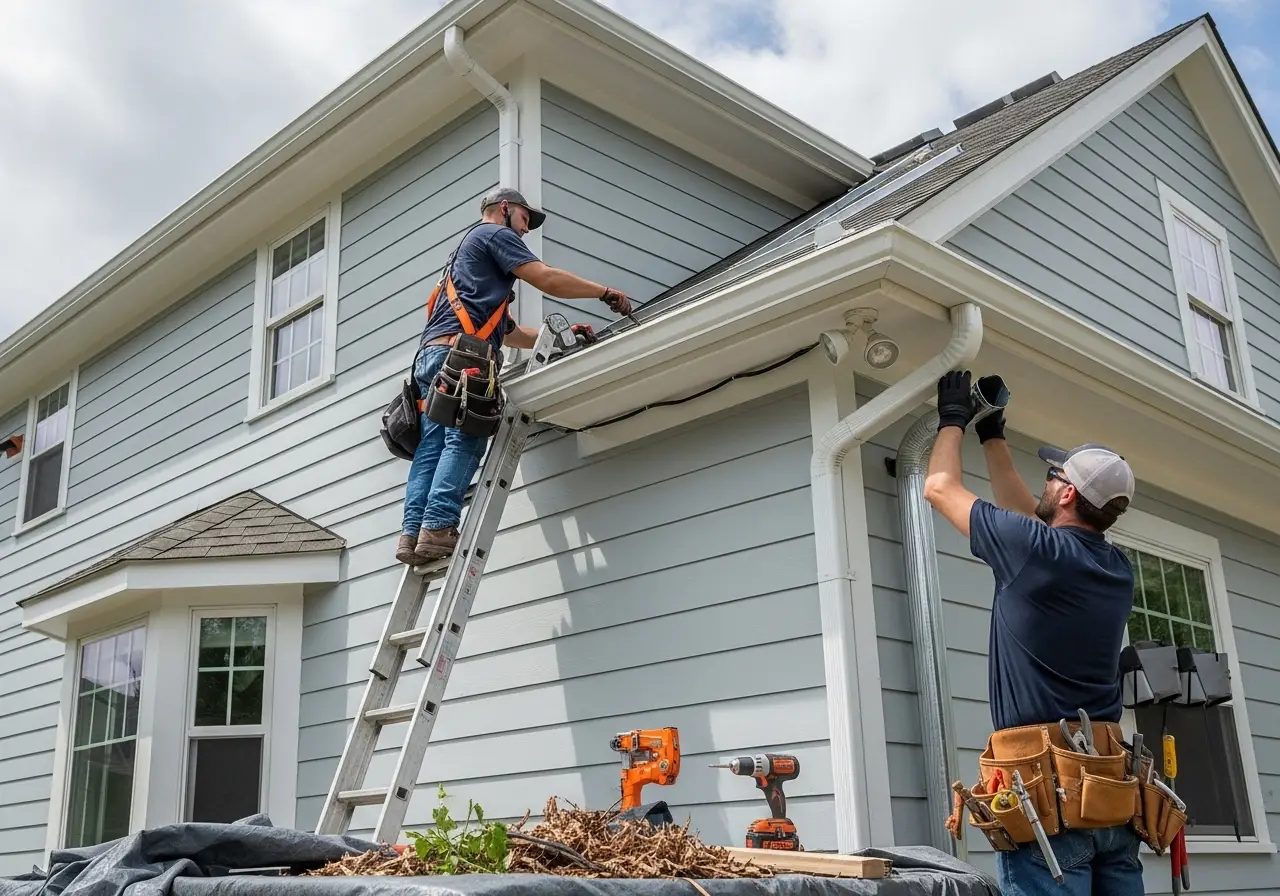
What to Check Before You Call
Do these from the ground or from safely inside your attic — never on the wet roof surface.
-
1
Walk the perimeter with binocularsStand at each corner of your home and scan the full roofline for missing shingles, lifted sections, debris, and displaced vent caps.
-
2
Check gutters and downspout exitsGranule accumulation in gutters or at downspout extensions confirms shingle surface damage. Also check for bent or separated gutter sections.
-
3
Enter the attic with a flashlightLook for daylight visible through the decking, damp insulation, discolored wood, or any sign of dripping. Note the location relative to chimneys and vents.
-
4
Document everything with photosPhotograph all damage with timestamps before any tarping or repairs occur. This documentation is critical for your insurance claim and contractor estimate.
-
5
Call Alta for a professional inspectionOur licensed inspectors cover what ground-level checks can't — they assess decking condition, flashing integrity, and hidden impact bruising across the full roof surface.
What Happens If You Wait Too Long
Chicago-area homeowners who delay post-weather inspection face two compounding problems: worsening structural damage and a weakened insurance position.
-
1
Secondary moisture damage accumulatesEach subsequent rain event carries water further into decking, insulation, and wall cavities. What costs $800 to repair today may cost $8,000 in three months.
-
2
Mold growth begins within 24–48 hoursAttic insulation that remains damp is an ideal mold environment. Once mold establishes, remediation costs are added to the repair total — and are sometimes excluded from insurance coverage.
-
3
Insurance claims become harder to proveAdjusters are trained to distinguish weather-caused damage from wear and tear. Delayed reporting gives adjusters grounds to attribute damage to pre-existing conditions. A prompt, documented inspection from a licensed contractor protects your claim.
-
4
Opportunistic contractors move in quicklyAfter major weather events in DuPage County, unlicensed out-of-state contractors canvass neighborhoods. A delayed call to a trusted local contractor creates a window for high-pressure, low-quality repair offers.
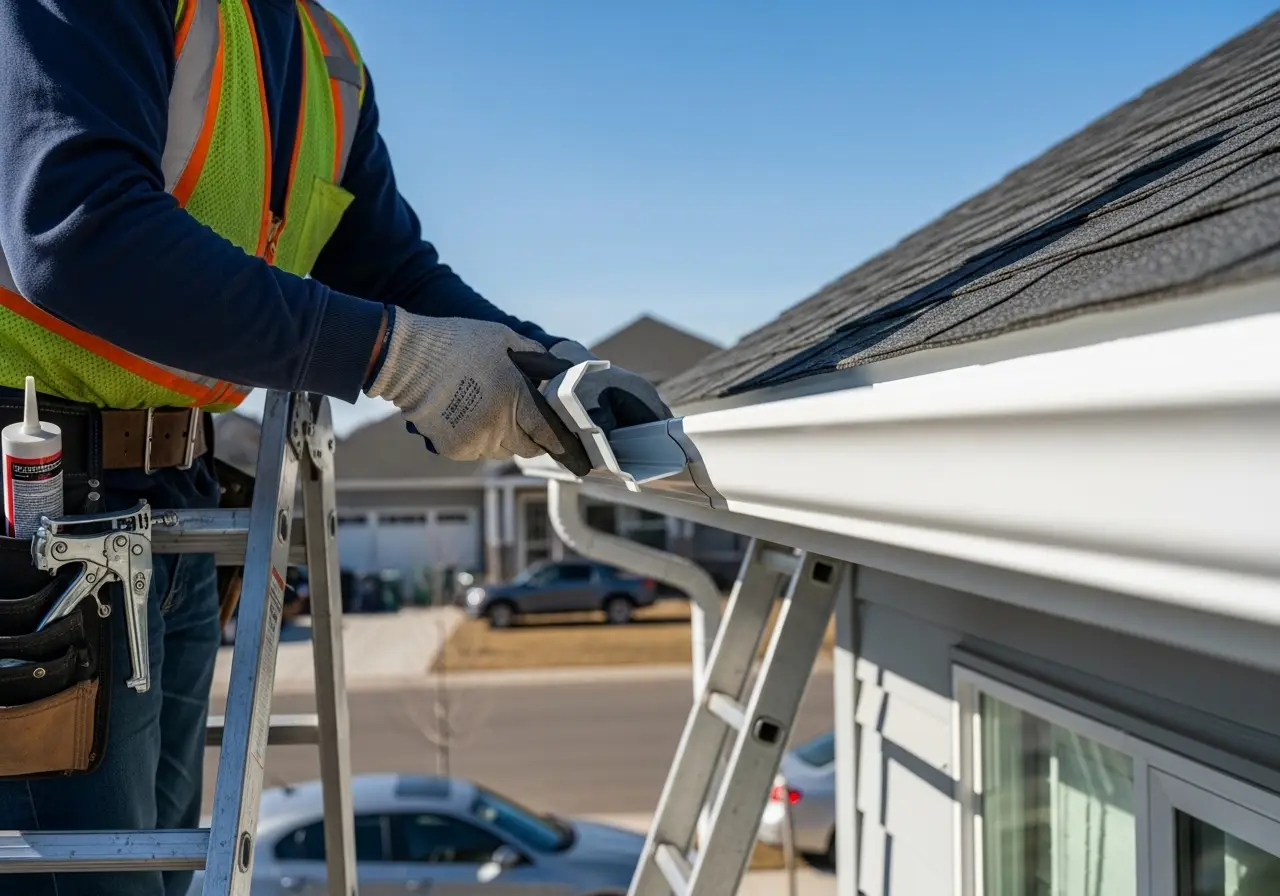
Why Chicago-Area Homeowners Call Alta After Every Severe Weather Event
When the weather passes and the assessment begins, the contractor you call makes all the difference.
Why Roof Damage Hits Harder in DuPage County
The Chicago metropolitan area sits in one of the most weather-active corridors in the continental United States. DuPage County and its surrounding suburbs face a specific combination of weather hazards that make post-weather roof inspection non-optional.
After any major weather event across DuPage or Cook County, out-of-state contractor vans appear within 24–48 hours. These opportunistic contractors use high-pressure tactics, collect large deposits, and frequently deliver substandard repairs or disappear entirely. Always verify a contractor's Illinois registration, physical address, and local references before signing anything.
What Our Chicago-Area Clients Say
Real reviews from homeowners across DuPage County and the Chicago suburbs who trusted Alta Property Services with their post-weather roof inspection and repair.


Frequently Asked Questions
Answers to the questions we hear most from Addison-area homeowners after every severe weather season.
Severe Weather Just Passed? Don't Wait.
Every hour of delay after a severe weather event increases the risk of secondary moisture damage, mold growth, and a weakened insurance claim. Alta Property Services dispatches licensed inspectors across DuPage County and the Chicago suburbs — 24 hours a day, 7 days a week.
Alta Property Services | 30 W Fay Ave, Addison, IL 60101 | (630) 461-9229 | cs@altasvcs.com | 24/7 Emergency Service