


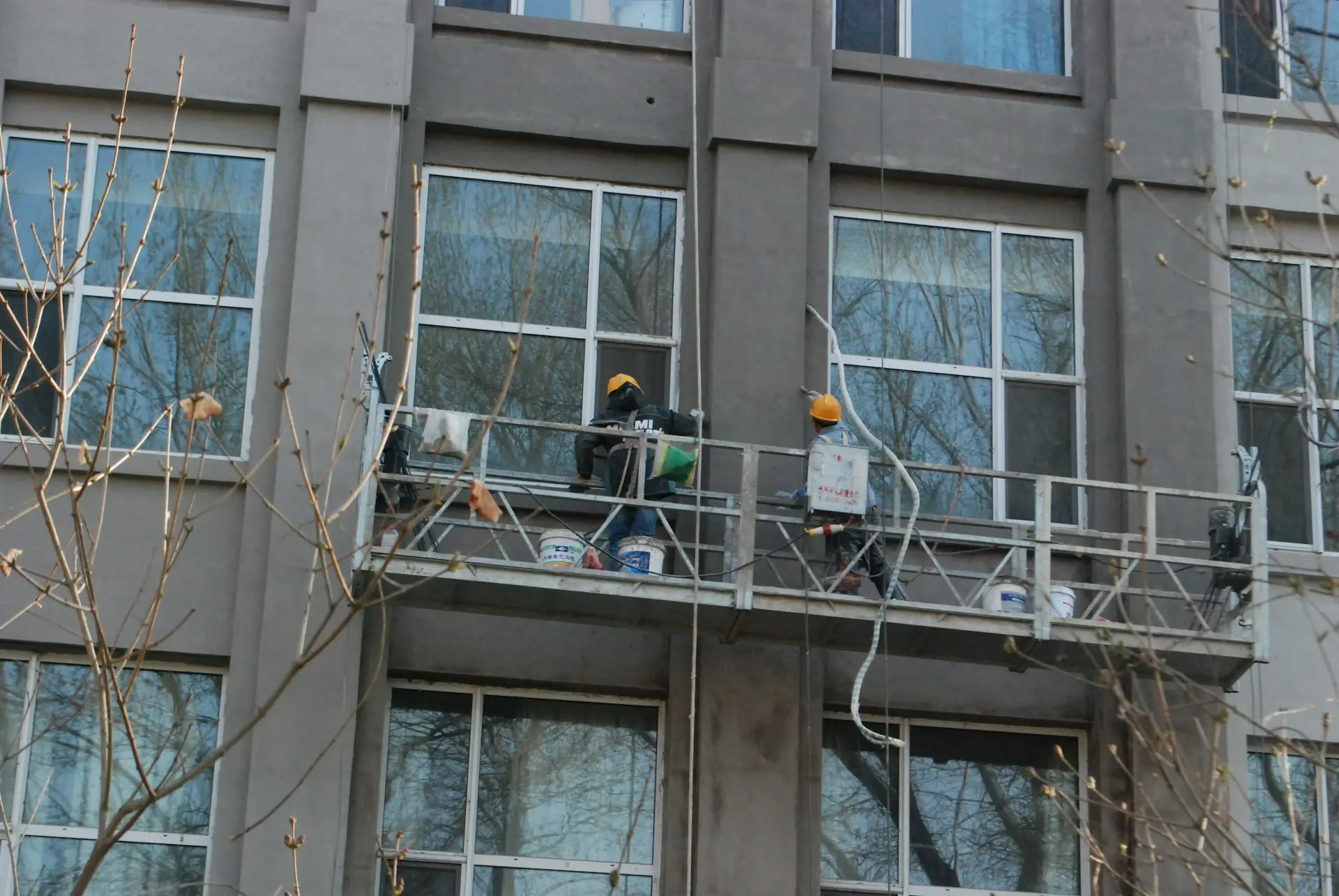
Illinois landlords face unique challenges throughout the year. With harsh winters, humid summers, and dramatic seasonal transitions, staying on top of property maintenance isn’t just about keeping tenants happy—it’s a legal requirement. A comprehensive seasonal maintenance plan protects your investment and helps you avoid costly repairs down the road.
This guide breaks down everything you need to know about maintaining rental properties through Illinois’s four distinct seasons.
Why Seasonal Maintenance Matters for Illinois Properties
Illinois properties endure extreme weather conditions. Winter temperatures can plunge below zero, while summers bring intense humidity and occasional severe storms. Spring and fall present their own challenges, from pollen and leaves to wind damage. When you neglect seasonal maintenance, small issues become expensive problems.
Beyond the financial benefits, Illinois landlord-tenant laws require you to maintain habitable premises. This means ensuring working heat in winter, proper ventilation, functional plumbing, and protection from water damage. Seasonal maintenance helps you meet these legal obligations while extending the lifespan of major systems and components.
Spring Maintenance Checklist (March – May)
Spring is your opportunity to reverse winter damage and prepare for warmer months.
Exterior Inspections
After winter weather, inspect the roof, gutters, and siding for damage. Look for missing or damaged shingles, and check that gutters aren’t clogged with debris. Standing water in gutters can lead to serious water damage and foundation problems. Clean gutters thoroughly and ensure downspouts direct water at least 5-6 feet away from the foundation.
Check the foundation and basement for water intrusion, cracks, or mold growth. If you notice issues, address them immediately to prevent costly structural damage.
HVAC Systems
Have your heating system professionally inspected before you really need it again next winter. Change HVAC filters and clean air vents. A well-maintained system runs more efficiently and keeps your tenants comfortable when late-spring cool snaps hit.
Plumbing
Check all outdoor faucets and ensure they’re functioning properly. Inspect exposed pipes for damage from freeze-thaw cycles. Test sump pumps if your property has a basement—they’re critical for preventing flooding.
Landscape and Grounds
Trim tree branches hanging over the roof or structure. Dead branches become hazardous during summer storms. Clear any debris from the property. Check that exterior stairs, walkways, and decks are safe and compliant with local codes.
Pest Control
Spring is when pests become active. Inspect the property for signs of rodents or insects. Seal any cracks or gaps around pipes, electrical lines, and foundation. Consider scheduling professional pest control treatment.
Summer Maintenance Checklist (June – August)
Summer brings intense heat and occasional storms to Illinois. Your focus shifts to managing moisture, heat stress, and storm damage.
Air Conditioning and Ventilation
Ensure all air conditioning units are functioning properly. Clean or replace filters monthly—dirty filters force the system to work harder and drive up energy costs. Check ductwork for leaks and have the system professionally serviced annually.
Exterior Maintenance
Inspect the roof for heat damage or missing shingles. Summer sun can accelerate deterioration. Check that siding is intact and properly sealed. Look for peeling paint, which may indicate moisture problems underneath.
Storm Preparedness
Summer storms can be severe in Illinois. Ensure all windows and doors are properly sealed. Check weather stripping and caulking. Trim branches that could damage the property during high winds. Make sure drainage systems are clear so water doesn’t pool around the foundation.
Deck and Patio Inspection
If your property has decks or patios, check structural integrity, railings, and safety compliance. Loose boards, rusted fasteners, or wobbly railings are hazards.
Regular Inspections
Summer is ideal for scheduling comprehensive property inspections. Check interior walls and ceilings for signs of water damage from spring rains or roof leaks. Inspect basement areas for moisture, mold, or standing water.
Fall Maintenance Checklist (September – November)
Fall is critical preparation time. Winter will arrive soon, and you need to ensure your property is ready for cold weather and potential snow.
Roof and Gutters
Clear leaves from gutters and downspouts. Check the roof for damaged shingles or flashing issues. Water backing up under shingles can cause serious damage. If you notice significant damage, contact professional roofing services to address issues before winter weather arrives.
Heating Systems
Have your furnace or boiler professionally inspected and serviced. Check that all heating vents are clear and functional. Ensure thermostats are working correctly. Test the system before cold weather demands it.
Weatherization
Caulk and seal any cracks around windows and doors. Replace worn weather stripping. These simple steps prevent heat loss and reduce energy costs during winter. Check that all windows open and close properly.
Exterior Preparation
Drain and shut off exterior water lines. Disconnect garden hoses. Bring in or cover outdoor equipment. Check that garage doors and overhead doors operate smoothly.
Foundation and Basement
Inspect the foundation for new cracks. Ensure basement windows close properly. Check sump pump operation one more time before winter snow and ice melt season.
Chimney and Fireplace
If your property has a fireplace or wood stove, have the chimney professionally cleaned and inspected. This prevents carbon monoxide issues and fire hazards.
Winter Maintenance Checklist (December – February)
Winter is the most challenging season for Illinois properties. Your focus is on preventing cold-weather damage and maintaining habitability.
Heating System Monitoring
Monitor your heating system daily during cold snaps. Ensure furnaces, boilers, and heat pumps are operating properly. Keep thermostats set to at least 68°F to prevent frozen pipes. Illinois law requires landlords to provide adequate heat—typically 68°F between October 1 and May 1.
Pipe Protection
Insulate exposed pipes, especially those in unheated areas like attics, crawlspaces, and basements. Drip faucets slightly during extremely cold weather to prevent freezing. If a pipe does freeze, never use an open flame to thaw it. Use hot water or a heat gun.
Snow and Ice Management
Remove snow and ice from roofs, gutters, and downspouts before they accumulate excessively. Clear walkways, stairs, and parking areas to prevent tenant injuries. Document snow removal efforts for liability purposes.
Moisture Management
Winter humidity and temperature fluctuations can create condensation and mold. Ensure bathrooms and kitchens have working exhaust fans. Check that dryers vent to the exterior, not into the home.
Backup Heat
Have backup heat sources available in case the primary system fails during a cold snap. Keep space heaters in good working order (though these should supplement, not replace, the primary heating system).
Entryway Maintenance
Keep entryways clear of ice and snow. This is both a safety issue and a legal requirement in many Illinois municipalities.
Emergency Preparedness
Stock emergency supplies and know how to contact emergency repair services if critical systems fail during winter. Winter equipment failures can be serious—pipes freezing, furnace breakdown—and they demand immediate attention.
Seasonal Maintenance By System Type
Roofing Considerations Across Seasons
Your roof is your property’s primary defense against weather. Spring and fall are ideal times for roof inspections and repairs, but year-round vigilance matters. Summer heat can damage shingles, winter ice and snow create weight stress, and spring rain tests your roof’s integrity.
Electrical System Inspections
Moisture and temperature fluctuations affect electrical systems. Spring dampness and winter snow melt can create problems. Summer heat stresses systems. Have electrical systems professionally inspected annually. This helps ensure safety and compliance with Illinois electrical codes.
Plumbing Vigilance Year-Round
Frozen pipes are winter’s major plumbing threat, but summer storms and spring thawing bring their own challenges. Regular inspections catch problems before they become emergencies. Professional plumbing services can identify issues that aren’t obvious to property managers.
Creating Your Property Maintenance Calendar
Build a custom calendar incorporating these seasonal tasks. Note which items are annual, which are seasonal, and which require professional service. Share this calendar with tenants so they understand your commitment to maintenance.
Assign specific dates for each task. December 1st might be “Furnace Inspection Day.” April 15th could be “Spring Exterior Inspection Day.” This structure ensures nothing gets overlooked.
Document all maintenance performed. Keep receipts, inspection reports, and photographs. This documentation proves you’re meeting legal requirements and protects you if disputes arise.
When to Call Professionals
Some seasonal maintenance tasks require licensed professionals:
- Roof inspections and repairs should be handled by certified roofers
- Heating system service requires HVAC technicians
- Electrical inspections need licensed electricians
- Plumbing issues often require professional plumbers
- Pest control benefits from professional treatment services
- Mold remediation demands specialists
Don’t attempt these yourself. Improper work creates liability, violates codes, and often costs more to fix than professional work would have initially.
Illinois Landlord-Tenant Law and Maintenance
Illinois law requires landlords to maintain rental properties in habitable condition. This includes:
- Functioning heating (minimum 68°F October 1 – May 1)
- Working plumbing and hot water
- Weatherproofing against wind and rain
- Safe structural conditions
- Protection from pests and vermin
- Functioning utilities
Seasonal maintenance directly supports these legal requirements. When you follow a comprehensive seasonal checklist, you’re meeting your legal obligations while protecting your investment.
Money-Saving Tips for Seasonal Maintenance
While we don’t discuss specific costs, consider these strategies:
Preventive maintenance saves money. Catching problems early prevents expensive emergency repairs.
Bundle services. Scheduling multiple inspections during seasonal transition periods can be more efficient than spreading them throughout the year.
Establish vendor relationships. Working with the same trusted contractors builds relationships and often leads to better service and scheduling flexibility.
Tenant communication. Clear communication prevents misunderstandings and helps tenants report problems promptly.
Document everything. Photos, inspection reports, and maintenance logs prove due diligence and help with insurance claims if problems occur.
Preparing Your Property Management System
Whether you self-manage or work with a property management company, maintain detailed records. Use a spreadsheet or property management software to track:
- Inspection dates and findings
- Maintenance performed
- Service provider contacts
- Filter and fluid change dates
- Warranty information
- Tenant-reported issues and resolutions
This system ensures consistency and proves you’re maintaining the property properly.
Conclusion
Seasonal property maintenance in Illinois isn’t optional—it’s essential. By following this comprehensive checklist through spring, summer, fall, and winter, you protect your investment, meet legal requirements, ensure tenant satisfaction, and prevent costly emergency repairs.
Start your seasonal maintenance plan today. Schedule spring inspections if you haven’t already. Plan fall preparations before the first frost. Document everything. Call professionals when needed. Your property—and your tenants—will thank you.
For comprehensive property maintenance guidance and professional services, contact a qualified property maintenance provider. Expert support makes seasonal maintenance manageable and ensures nothing gets overlooked.